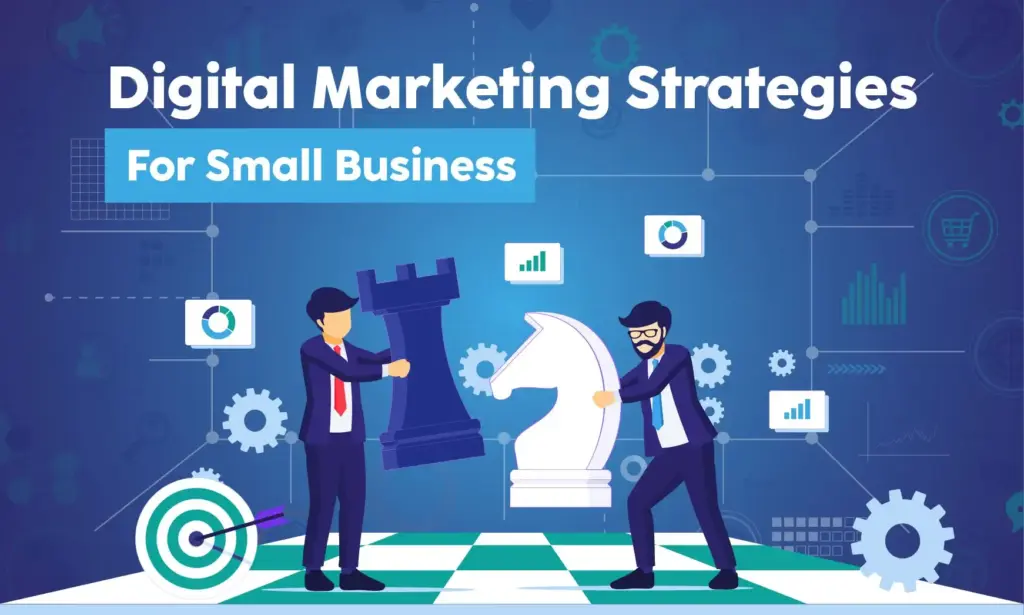
Digital marketing lets small businesses use online channels to connect with target audiences without big budgets. Unlike old-school ads, online methods let you target specific groups and track your spending
Search Engine Optimization (SEO):
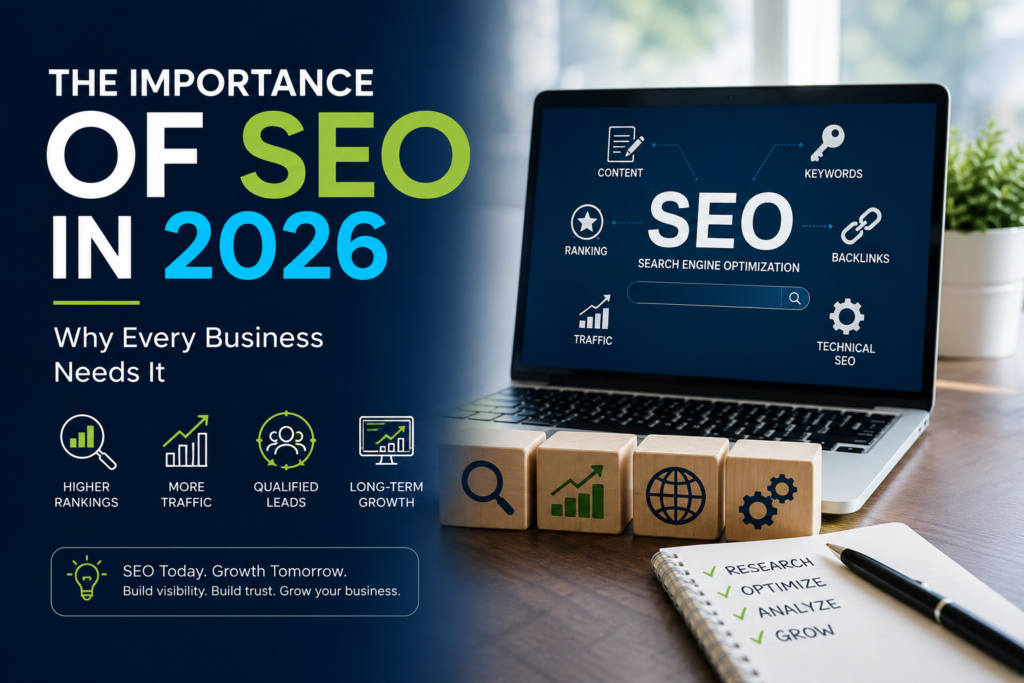
Search Engine Optimization (SEO) is a digital marketing technique used to improve the visibility of a website on search engines such as Google. It involves optimizing website content, keywords, headings, images, links, and technical elements so that search engines can understand and rank the website more effectively. The main goal of SEO is to increase organic, or unpaid, traffic to a website and help businesses reach their target audience. Effective SEO can improve online visibility, attract potential customers, build credibility, and increase sales. Since people often use search engines to find information, products, and services, SEO is an important part of digital marketing.
Email marketing
Email marketing is a powerful digital marketing strategy that helps businesses communicate directly with their customers through emails. It can be used to promote products and services, share updates, build customer relationships, and encourage repeat purchases. By creating personalized and engaging email content, businesses can reach the right audience.Email marketing is one of the most effective forms of digital marketing. It involves sending emails to customers or potential customers to promote products, services, offers, and important business updates. It helps businesses maintain regular communication with their audience and build long-term relationships. Personalized emails can make customers feel valued.
Social Media Marketing:
Social media marketing is a digital marketing strategy that uses social media platforms to promote products, services, and brands. Businesses use platforms such as Instagram, Facebook, YouTube, and LinkedIn to connect with customers, share content, build brand awareness, and increase sales. It allows companies to communicate directly with their target audience and understand customer preferences through likes, comments, shares, and other interactions. Social media marketing is cost-effective and provides businesses with opportunities to reach a large audience quickly.Social media marketing also helps businesses create a strong online presence and stay connected with their customers. Through attractive images, videos, stories, reels, advertisements, and informative posts, companies can engage their audience and promote their products effectively. Influencer marketing and paid social media advertising can further help businesses reach specific groups of customers. One of the major advantages of social media marketing is that businesses can receive immediate feedback from customers and improve their products or services accordingly. It also helps increase website traffic, generate leads, build customer loyalty
Content Marketing:
Content marketing is a digital marketing strategy that focuses on creating and sharing valuable, relevant, and informative content to attract and engage a target audience. Businesses use different types of content, such as blog posts, articles, videos, infographics, podcasts, and social media posts, to provide useful information to customers. The main purpose of content marketing is to build trust, increase brand awareness, generate leads, and maintain long-term relationships with customers. High-quality content can also improve a company’s search engine visibility and drive more traffic to its website.
CONCLUSION
A smart digital marketing mix helps small brands grow step by step. By combining organic search, social engagement, and paid options, you build lasting customer relationships and steady sales.